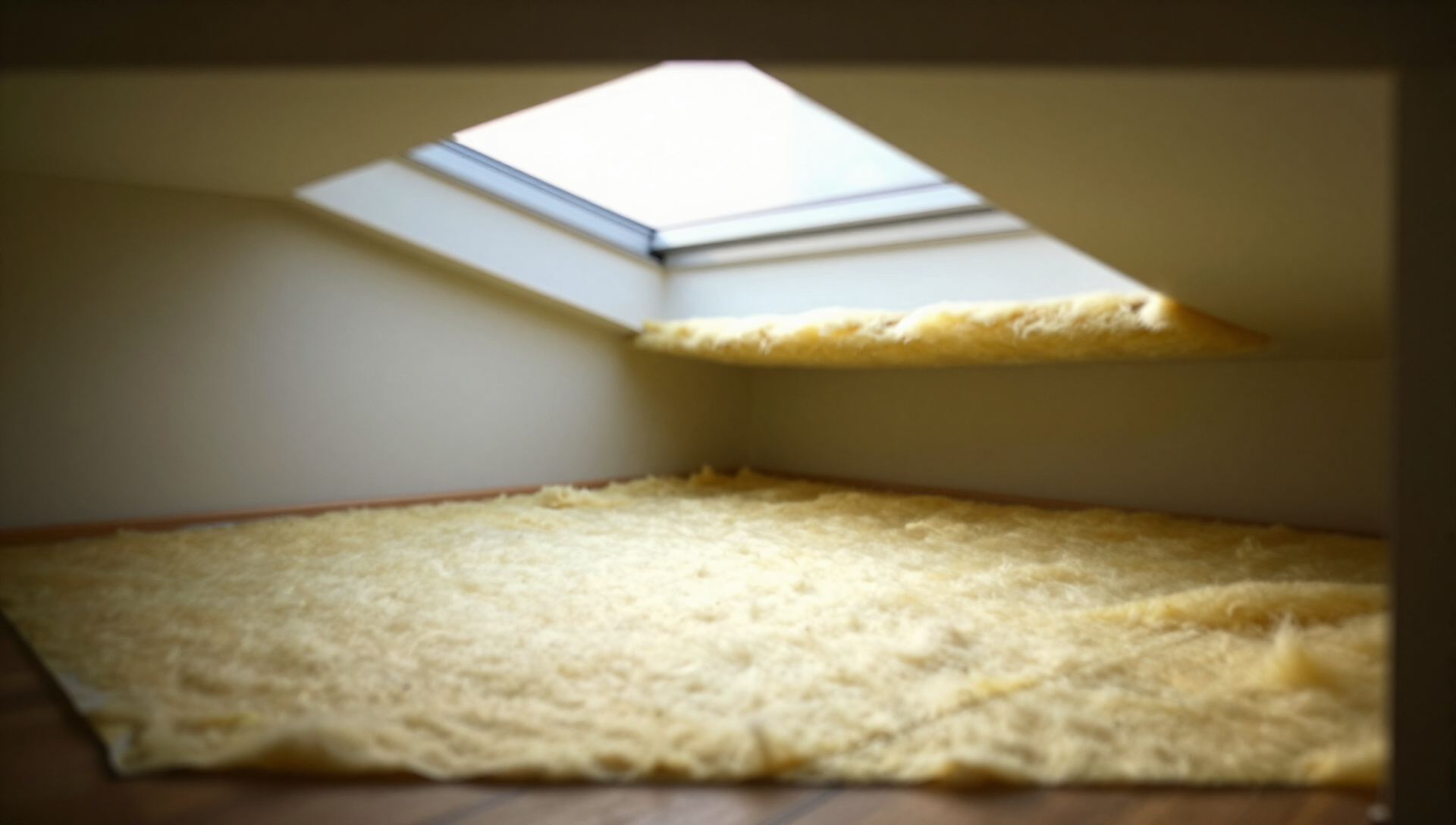
Roof insulation in St Albans targets the primary source of summer heat gain: the roof itself. Unlike ceiling insulation, which slows heat transfer through the ceiling lining, roof insulation reflects radiant heat at the roofline before it enters the roof space. This is especially valuable in St Albans, where colourbond and tiled roofs can reach high temperatures during heatwaves, driving up indoor temperatures and cooling costs.
The most common products for roof insulation are foil-faced blankets and sarking. These reflective materials are installed under the roofing iron or tiles, with an air gap to ensure they reflect radiant heat effectively. They can be used on their own or combined with bulk insulation in the ceiling for better year-round thermal performance. In St Albans homes with cathedral or raked ceilings, roof insulation is often the only practical way to improve thermal resistance without removing ceiling linings.
Installation typically takes a day and is done from the roof space, with no need to disturb the living areas below. The process involves measuring and cutting the foil to fit between rafters or over ceiling joists, securing it with staples or fixings, and sealing all joins and edges. If old insulation is present and its condition is uncertain, work stops until a qualified asbestos assessor confirms it is safe to proceed.